Ceramic Coating vs. PPF: Which Offers Better Impact Resistance in Ceramic Coating Setauket, NY?
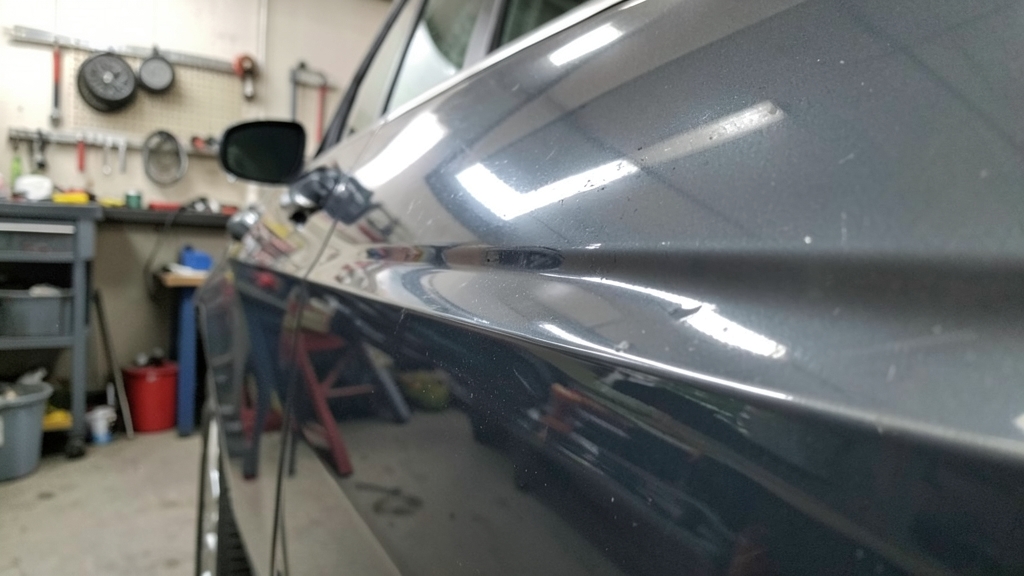
In Setauket, where road salt, gravel, and harsh winters test your vehicle’s finish, choosing the right protection is critical. Ceramic coatings and paint protection film (PPF) both defend against the elements, but their impact resistance differs drastically. We break down which solution suits your driving habits and local conditions.
Understanding Ceramic Coatings and Their Strengths
Ceramic coatings are liquid polymers that chemically bond with your vehicle’s clear coat, creating a hydrophobic, glass-like layer. This barrier excels at repelling water, UV rays, and light contaminants like bird droppings or tree sap.
While ceramic coatings add hardness (typically 9H on the pencil scale), they’re not designed to absorb physical impacts. Think of them as a sacrificial shield against environmental wear, not a buffer for road debris.
A 9H rating measures scratch resistance, not the ability to withstand rock chips or heavy impacts. Ceramic coatings won’t prevent dents or deep gouges.
How Paint Protection Film (PPF) Handles Impacts
PPF is a thick, self-healing polyurethane film applied to high-impact areas like the hood, bumper, and fenders. It’s engineered to absorb and dissipate energy from road debris, preventing chips, cracks, and scratches.
Modern PPF features elastic polymers that “heal” minor scratches with heat (from sunlight or a hairdryer). In Setauket’s gravel-heavy roads, this makes PPF the superior choice for impact-prone zones.
Side-by-Side: Ceramic Coating vs. PPF for Impact Resistance
The table below highlights key differences in how each solution performs under Setauket’s tough conditions. Note that PPF outperforms ceramic coatings in physical protection, while coatings win for gloss and ease of maintenance.
| Feature | Ceramic Coating | Paint Protection Film (PPF) |
|---|---|---|
| Impact Resistance | Low (minimal protection from chips) | High (absorbs and resists debris) |
| Scratch Resistance | High (9H hardness) | Moderate to High (self-healing top layer) |
| UV Protection | Excellent (prevents fading) | Excellent (blocks 99% of UV rays) |
| Hydrophobic Properties | Exceptional (beading effect) | Good (water repellent but less than coatings) |
| Longevity | 2–5 years (with maintenance) | 5–10+ years (with care) |
| Maintenance | Low (regular washing) | Moderate (requires gentle cleaning) |
| Gloss Enhancement | High (deep, reflective shine) | Moderate (matte or gloss finishes available) |
| Self-Healing | No | Yes (minor scratches) |
| Installation Time | 1–2 days (full vehicle) | 1–3 days (partial or full coverage) |
Setauket-Specific Considerations: Climate and Road Conditions
Long Island’s climate—humid summers, icy winters, and frequent road salt—accelerates paint damage. Ceramic coatings thrive here by preventing oxidation and water spots, but they won’t stop salt-induced chips.
PPF is ideal for drivers in Stony Brook or Port Jefferson, where loose gravel and highway debris are common. For Old Field’s winding roads, combining PPF on high-impact areas with a ceramic coating elsewhere offers balanced protection.
Pair PPF on the front end (bumper, hood, fenders) with a ceramic coating on the rest of the vehicle. This maximizes impact resistance where it matters most while enhancing gloss and ease of cleaning.
Durability and Longevity: What to Expect in Setauket
Ceramic coatings last 2–5 years with proper care, but their impact resistance doesn’t improve over time. PPF, however, can endure 5–10+ years, though its self-healing properties may degrade after 3–5 years in harsh conditions.
In Setauket, PPF’s longevity is extended with regular washing and avoiding automatic car washes with harsh brushes. Ceramic coatings require less upkeep but benefit from annual maintenance sprays to refresh hydrophobicity.
Cost Factors: What Drives the Investment?
The cost of ceramic coatings and PPF varies based on vehicle size, coverage area, and prep work. Paint correction is often required before either application, adding to the upfront expense but ensuring a flawless finish.
PPF is generally more expensive due to material costs and labor-intensive installation. Ceramic coatings are more affordable for full-vehicle coverage but offer less impact protection. Request a quote to compare options tailored to your vehicle.
Maintenance: Keeping Your Protection in Top Shape
Ceramic coatings require minimal maintenance—regular washing with pH-neutral soap and avoiding wax-based products. PPF needs more care: use a mild detergent, avoid pressure washers at close range, and apply a ceramic spray sealant to enhance hydrophobicity.
For both, immediate cleaning of bird droppings, bug splatter, or tree sap is critical in Setauket’s environment. These contaminants can etch through protective layers if left untreated.
PPF and Ceramic Coating Care Essentials
- Wash with pH-neutral car soap every 2 weeks
- Avoid automatic car washes with abrasive brushes
- Use a microfiber towel to dry and prevent swirl marks
- Apply a ceramic spray sealant every 6 months for PPF
- Remove contaminants (tar, sap) immediately with a dedicated cleaner
Beyond Impact Resistance: Other Protection Benefits
Ceramic coatings excel in UV protection, preventing paint fading and oxidation—a major concern in Setauket’s sunny summers. They also make cleaning easier, as dirt and grime slide off the slick surface.
PPF offers additional perks like sound dampening (reducing road noise) and customization options (matte, satin, or gloss finishes). For fleet or commercial vehicles in Centereach, PPF’s durability and low-maintenance appeal are unmatched.
How to Decide Between Ceramic Coating and PPF for Your Vehicle
Assess your priorities and driving conditions to choose the right protection.
- 1Evaluate Your Driving Habits
If you frequently drive on highways (e.g., Route 25A) or gravel roads, PPF is the better choice for impact resistance. For city driving in Poquott or Centereach, a ceramic coating may suffice.
- 2Identify High-Impact Areas
Focus on the front bumper, hood, fenders, and side mirrors—these areas take the most abuse. PPF is ideal here, while ceramic coatings can protect the rest of the vehicle.
- 3Consider Your Budget and Goals
PPF is a larger upfront investment but offers long-term savings by preventing costly paint repairs. Ceramic coatings are more budget-friendly for full-vehicle protection.
- 4Assess Aesthetic Preferences
Ceramic coatings enhance gloss and depth, making them perfect for showroom-quality finishes. PPF offers finish options but may slightly alter the paint’s appearance.
- 5Consult a Local Expert
Visit a professional in Setauket for a vehicle assessment. We’ll help you determine a suitable combination of ceramic coating, PPF, or both based on your needs.
Frequently Asked Questions
Can I apply ceramic coating over PPF in Setauket?
Applying a ceramic coating over PPF combines the impact resistance of PPF with the hydrophobic, gloss-enhancing properties of the coating.
How does PPF perform in Setauket’s winter conditions?
PPF handles road salt and ice scrapers well, but its edges can lift over time if not installed properly. Ceramic coatings, while salt-resistant, won’t protect against physical impacts from ice or debris. Both benefit from thorough winter washes.
Will ceramic coating prevent rock chips on Long Island roads?
No. Ceramic coatings add hardness and scratch resistance but lack the thickness and elasticity to absorb impacts. For rock chip protection, PPF is the only reliable solution in areas like Old Field or Setauket’s rural roads.
How often should I reapply ceramic coating in Setauket’s climate?
With proper maintenance, a professional-grade ceramic coating lasts 3–5 years in Setauket. Annual touch-ups with a ceramic spray sealant can extend its lifespan and hydrophobicity.
Is PPF visible on my vehicle?
High-quality PPF is nearly invisible when professionally installed, though it may have a slight orange-peel texture on matte finishes. Gloss PPF blends seamlessly with your paint, making it ideal for luxury or show cars in Setauket.
Can PPF be removed without damaging my paint?
Yes, PPF can be safely removed by professionals without damaging the underlying paint, provided it was installed correctly. This makes it a flexible option for lease returns or vehicle upgrades in Ceramic Coating Setauket.