Ceramic Coating vs. Vinyl Wraps: A Cost Comparison for Setauket Car Owners in Ceramic Coating Setauket, NY
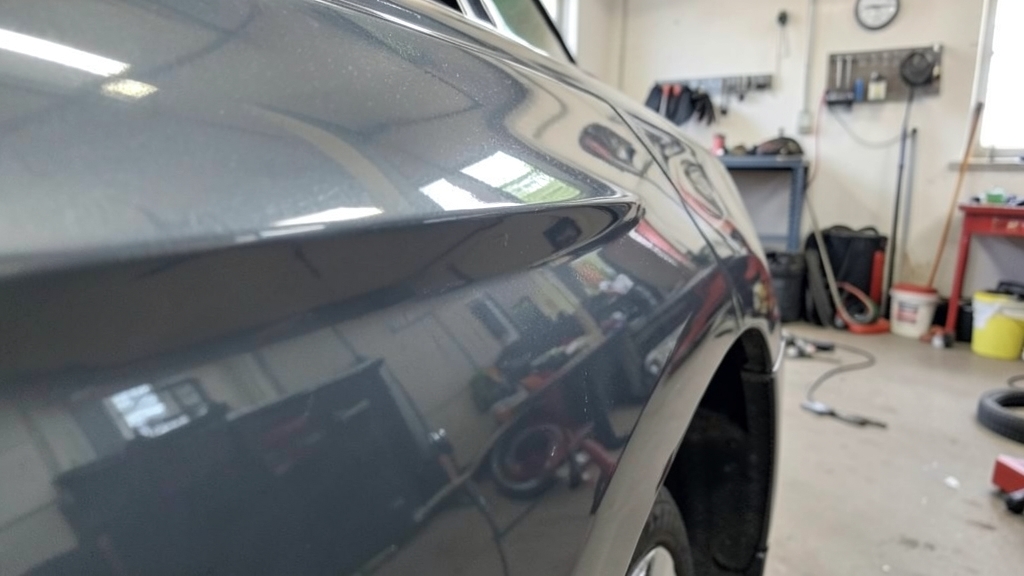
Setauket drivers know Long Island’s salty air, harsh winters, and intense sun can wreak havoc on a vehicle’s finish. When it comes to long-term protection and aesthetics, ceramic coating and vinyl wraps are top contenders—but they serve very different purposes. We break down the real costs, durability, and trade-offs to help you decide what’s best for your ride.
Understanding the Basics: Ceramic Coating vs. Vinyl Wraps
Ceramic coatings are liquid polymer sealants that chemically bond with your vehicle’s clear coat, creating a hydrophobic, UV-resistant layer. They enhance gloss, repel contaminants, and simplify cleaning but don’t change your car’s color.
Vinyl wraps are thin, adhesive films applied over your car’s paint. They offer full color changes, custom designs, and a layer of protection against minor scratches and stone chips. Unlike coatings, wraps can be removed without damaging the original paint.
Ceramic coatings preserve and enhance your factory paint. Vinyl wraps cover it entirely, allowing for customization.
Durability in Setauket’s Climate
Long Island’s coastal climate means salt spray, UV exposure, and temperature swings. A professional-grade ceramic coating lasts 2–5 years or more with proper care, resisting fading and oxidation far better than wax or sealants.
High-quality vinyl wraps typically last 5–7 years but can degrade faster in extreme heat or with poor maintenance. Sun exposure and road salt can lift edges or cause discoloration over time.
Cost Factors: What Drives the Price?
Ceramic coating costs depend on vehicle size, paint condition, and product tier. A full-vehicle coating requires meticulous prep, including paint correction, which adds to the investment. Larger SUVs or trucks demand more product and labor.
Vinyl wrap pricing varies by material quality, design complexity, and vehicle contours. Full wraps cover every panel, while partial wraps (e.g., hood, roof) reduce costs. Custom graphics or matte finishes can increase the price significantly.
| Factor | Ceramic Coating | Vinyl Wrap |
|---|---|---|
| Vehicle Size | Small: 1 day / Large: 2+ days | Small: 1-2 days / Large: 3-5 days |
| Prep Work | Paint correction often required | Paint must be clean, may need minor repair |
| Material Quality | Consumer-grade (1-2 yrs) to pro-grade (5+ yrs) | Economy (3-4 yrs) to premium (7+ yrs) |
| Customization | No color change; enhances existing paint | Full color/design change possible |
| Longevity | 2–5+ years with maintenance | 5–7 years with care |
Protection: Which Shields Your Car Better?
Ceramic coatings excel at chemical resistance, repelling bird droppings, bug splatter, and road tar. Their hydrophobic properties make washing easier and reduce water spots—a major plus in Setauket’s humid summers.
Vinyl wraps provide a physical barrier against minor scratches, stone chips, and UV rays. However, they’re not as resistant to chemicals or deep scratches. A clear bra (PPF) is often added over wraps in high-impact areas for extra protection.
For maximum protection, some owners combine both: a full vinyl wrap with a ceramic coating on top to extend lifespan and ease maintenance.
Maintenance and Care Requirements
Ceramic-coated cars need regular washing with pH-neutral soaps to maintain hydrophobicity. Avoid automatic car washes with harsh brushes, which can degrade the coating over time.
Vinyl-wrapped vehicles require gentle cleaning to prevent edge peeling. Pressure washers should be used at a distance, and wax or polish should never be applied—it can damage the adhesive.
Ceramic Coating Maintenance Do’s
- Wash every 2 weeks with a microfiber mitt
- Use a ceramic-safe detail spray for touch-ups
- Avoid parking under trees (sap and bird droppings can etch)
- Reapply a ceramic boost spray every 6–12 months
Aesthetics and Customization
Ceramic coatings deepen your paint’s gloss and clarity, making colors pop—ideal for showroom-worthy finishes. They’re perfect for owners who love their factory color but want extra shine and protection.
Vinyl wraps offer endless customization: matte, satin, chrome, or even color-shifting finishes. Popular in Stony Brook and Port Jefferson, wraps let you stand out or match a specific style without a permanent commitment.
Resale Value and Long-Term Considerations
A well-maintained ceramic coating can enhance resale value by preserving paint condition. Buyers in areas like Old Field or Poquott often pay a premium for vehicles with documented protection and care.
Vinyl wraps can also boost appeal if the design is tasteful and the wrap is in good condition. However, poor-quality wraps or outdated designs may deter buyers. Removal before sale can reveal pristine paint underneath.
Improperly applied ceramic coatings or vinyl wraps can peel, bubble, or damage paint. Always trust a professional for these services.
Which Is Right for You in Setauket?
Choose ceramic coating if you want long-term paint protection, easier maintenance, and a natural, enhanced finish. It’s ideal for daily drivers and luxury vehicles in Centereach or Setauket that need lasting defense against the elements.
Opt for a vinyl wrap if you crave a custom look, want to protect your paint from chips, or plan to change your car’s appearance in a few years. Wraps are also great for fleet vehicles or commercial branding.
How to Decide Between Ceramic Coating and Vinyl Wrap
Follow these steps to determine an option for your vehicle and lifestyle.
- 1Assess Your Goals
Ask yourself: Do you want to preserve your paint or change your car’s look? Protection is the priority for coatings; customization for wraps.
- 2Evaluate Your Budget
Consider upfront costs and long-term value. Coatings may have a higher initial investment but lower maintenance. Wraps can be more affordable for partial applications.
- 3Consider Your Vehicle’s Condition
If your paint has swirl marks or oxidation, paint correction is needed before a ceramic coating. Wraps can cover minor imperfections but won’t fix severe damage.
- 4Think About Longevity
How long do you plan to keep the car? Coatings are ideal for long-term ownership, while wraps offer flexibility if you like to change styles frequently.
- 5Consult a Professional
Visit a local expert in Setauket for a vehicle assessment and personalized recommendation. Request a quote to compare options side by side.
Frequently Asked Questions
Can I apply a ceramic coating over a vinyl wrap?
Yes, applying a ceramic coating over a vinyl wrap can extend its lifespan and enhance gloss. This combo is popular among enthusiasts in Port Jefferson who want both customization and protection. Always ensure the wrap is fully cured before coating.
How does Setauket’s winter weather affect ceramic coatings and vinyl wraps?
Salt and slush can degrade both over time, but ceramic coatings resist chemical damage better. Vinyl wraps may lift at the edges in freezing temperatures. Regular cleaning and a quality undercoating can mitigate winter damage.
Which option is better for a high-end car in Setauket?
For luxury or collector cars, ceramic coatings are often preferred to preserve the original paint and maintain value. However, some owners in Old Field opt for high-quality wraps to protect rare or custom finishes.
Do ceramic coatings or vinyl wraps require special insurance?
Most standard auto insurance policies cover both, but check with your provider. Some may require additional coverage for custom wraps, especially if they’re high-value or branded. Ceramic coatings typically don’t affect insurance.
Can I remove a vinyl wrap myself?
While DIY removal is possible, it’s risky. Improper techniques can damage paint or leave adhesive residue. Professionals in Ceramic Coating Setauket use heat guns and specialized tools to safely remove wraps without harming your vehicle.
Are there any vehicles that shouldn’t get a ceramic coating or vinyl wrap?
Cars with peeling clear coat or severe paint damage need restoration first. For wraps, vehicles with complex curves (like some sports cars) may require more expertise. Always consult a pro for an assessment.