Why a Spotless Surface is Non-Negotiable for Ceramic Coating Longevity in Setauket in Ceramic Coating Setauket, NY
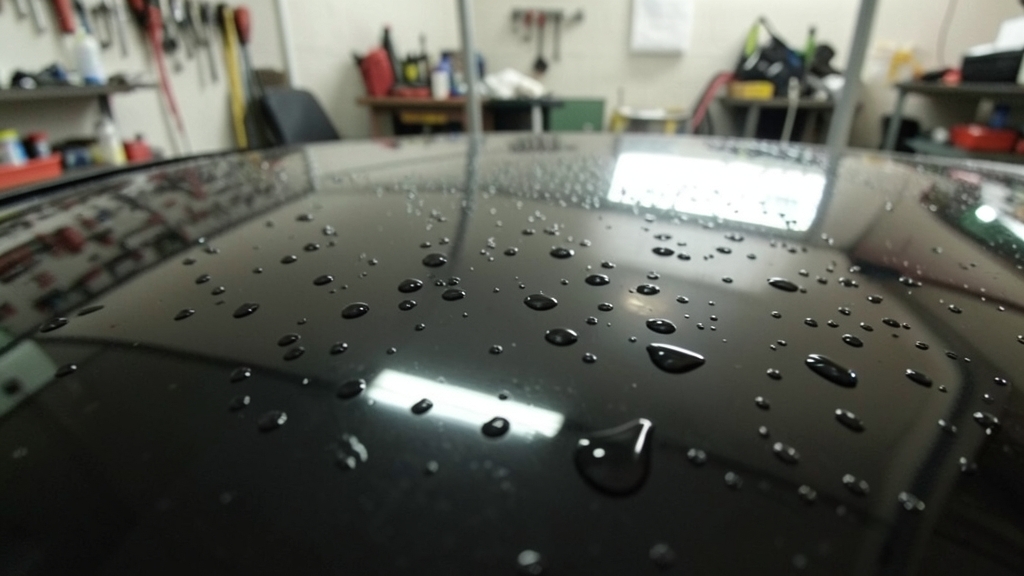
A ceramic coating’s lifespan hinges on one often-overlooked step: surface preparation. In Setauket’s coastal climate, where salt, pollen, and road grime are constant threats, skipping decontamination or paint correction can cut years off your coating’s performance. We’ve seen firsthand how proper prep transforms good results into great ones.
The Science Behind Ceramic Coating Bonding
Ceramic coatings rely on a chemical bond with your vehicle’s clear coat. This bond forms through cross-linking, where the coating’s silicon dioxide (SiO2) or titanium dioxide (TiO2) molecules interlock with the paint at a microscopic level.
Contaminants like wax, oils, or embedded iron particles create a barrier, preventing this bond from forming uniformly. The result? Patchy protection, premature failure, and wasted investment.
Setauket’s Unique Challenges for Paint Surfaces
Long Island’s humidity and proximity to the Sound mean vehicles in Setauket, Stony Brook, and Port Jefferson face accelerated contamination. Salt spray from winter roads, tree sap in Old Field, and industrial fallout near Centereach all compromise paint integrity.
Even new cars off the lot can have factory residues, rail dust, or dealer-applied sealants that interfere with coating adhesion. A thorough decontamination process is non-negotiable here.
Brake dust and rail dust contain iron particles that embed in clear coat. A clay bar alone won’t remove them—an iron-removing pre-treatment is essential before ceramic coating.
Step-by-Step: The Professional Prep Process
We start with a foam cannon wash to lift surface grime, followed by a two-bucket method to avoid reintroducing dirt. This is just the first layer of defense.
Next, a clay bar or synthetic clay mitt removes embedded contaminants that washing can’t touch. The surface must be glass-smooth to the touch—any roughness signals leftover debris.
Paint Correction: Fixing Imperfections Before Coating
Swirl marks, oxidation, and water spots won’t disappear under a ceramic coating—they’ll be sealed in forever. Paint correction, using a dual-action polisher and progressively finer compounds, restores clarity and depth.
In Setauket’s sunny summers, UV damage can dull paint quickly. Correcting this before applying a coating ensures the hydrophobic and gloss-enhancing properties shine through.
| Correction Stage | Purpose | Impact on Coating Longevity |
|---|---|---|
| Wash & Decontamination | Removes surface and embedded dirt | Prevents bonding failures |
| Single-Stage Polish | Removes light swirls and oxidation | Improves adhesion and gloss |
| Multi-Stage Correction | Eliminates deep scratches and heavy defects | Maximizes durability and aesthetics |
| Final IPA Wipe-Down | Removes oils, fillers, and residues | Ensures pristine surface for chemical bonding |
Common Prep Mistakes That Sabotage Longevity
Using dish soap or harsh degreasers can strip natural oils from paint, but they often leave behind residues that disrupt coating adhesion. A pH-neutral automotive shampoo is the safer choice.
Skipping the IPA (isopropyl alcohol) wipe-down is a critical error. Even after polishing, oils from compounds or skin contact can linger, creating an invisible barrier.
Mix isopropyl alcohol with distilled water in a 50/50 ratio for the final wipe. This ensures thorough cleaning without drying out the surface too quickly.
How Climate in Setauket Affects Prep and Curing
Humidity and temperature play a huge role in both prep and curing. High humidity, common in Setauket’s springs and falls, can prolong drying times and introduce moisture into the process.
Ideal conditions for application are 60-80°F with humidity below 50%. In our area, this often means scheduling coatings for late spring or early fall—or controlling the environment indoors.
Post-Coating Care to Preserve Your Investment
Even with perfect prep, improper maintenance can shorten a coating’s life. Avoid automatic car washes with harsh brushes—they can introduce micro-scratches that degrade the coating over time.
Regular hand washes with a pH-neutral shampoo and a high-quality microfiber towel keep the hydrophobic properties intact. For extra protection, consider adding a ceramic boost spray every 6-12 months.
Post-Coating Maintenance Essentials
- Wash with pH-neutral shampoo only
- Use the two-bucket method to prevent swirls
- Dry with a clean, plush microfiber towel
- Avoid wax or sealants (they interfere with the coating)
- Reapply ceramic boost spray as needed
When to Consider Additional Protections
For vehicles in high-risk areas like Poquott or near the Port Jefferson ferry, pairing a ceramic coating with paint protection film (PPF) adds a physical barrier against rock chips and scratches. PPF can be coated with ceramic for the ultimate defense.
Wheel and brake caliper ceramic coatings are also worth considering. Brake dust and road grime in Setauket can corrode wheels quickly, and these coatings make cleanup effortless.
How to Decontaminate Your Vehicle Before Ceramic Coating
Follow these steps to ensure your paint is truly clean and ready for coating.
- 1Pre-Wash with Foam Cannon
Apply a thick layer of pH-neutral foam to loosen surface dirt. Let it dwell for 5-10 minutes before rinsing.
- 2Two-Bucket Wash
Wash the vehicle using the two-bucket method: one for soapy water, one for rinsing your mitt. This prevents reintroducing dirt.
- 3Clay Bar Treatment
After drying, use a clay bar with lubricant to remove embedded contaminants. Work in small sections and frequently fold the clay to expose a clean surface.
- 4Iron Remover Spray
Spray an iron-removing product (like P&S Brake Buster or CarPro Iron X) onto the paint. Let it dwell until it turns purple, then rinse thoroughly.
- 5Final IPA Wipe-Down
Mix 50/50 IPA and distilled water, then wipe down the entire vehicle with a microfiber towel to remove any remaining oils or residues.
Frequently Asked Questions
How long does a ceramic coating last in Setauket’s climate?
With proper prep and maintenance, a professional-grade ceramic coating can last 3-5 years in Setauket. The coastal climate and winter road treatments can shorten this lifespan if prep or aftercare is neglected. Request a quote to discuss options tailored to your vehicle and driving habits.
Can I apply a ceramic coating myself, or should I hire a pro in Setauket?
DIY ceramic coatings are available, but they rarely match the durability or performance of professional-grade products. The prep work—especially paint correction—requires skill and the right tools. For most Setauket drivers, hiring a local pro ensures the best results and longevity.
What’s the difference between ceramic coating and paint protection film (PPF)?
Ceramic coatings are liquid polymers that bond with your paint to create a hydrophobic, protective layer. PPF is a physical urethane film that shields against rock chips, scratches, and other impacts. Many Setauket drivers combine both for maximum protection.
How often should I wash my car after a ceramic coating is applied?
Wash your vehicle every 1-2 weeks to prevent dirt buildup, which can degrade the coating’s hydrophobic properties over time. Always use a pH-neutral shampoo and avoid automatic car washes with brushes.
Does ceramic coating prevent water spots in Setauket’s hard water?
Ceramic coatings reduce water spotting by repelling water and minerals, but they don’t eliminate the risk entirely. In areas with hard water like Setauket, it’s still important to dry your vehicle quickly after rain or washing to prevent mineral deposits.
Can a ceramic coating be applied over existing wax or sealant?
No. Wax and sealants must be completely removed before applying a ceramic coating. These products create a barrier that prevents the coating from bonding properly with the paint. A thorough decontamination and IPA wipe-down are essential.