How to Keep Your Ceramic Coating Shining Through Rainy Seasons in Setauket in Ceramic Coating Setauket, NY
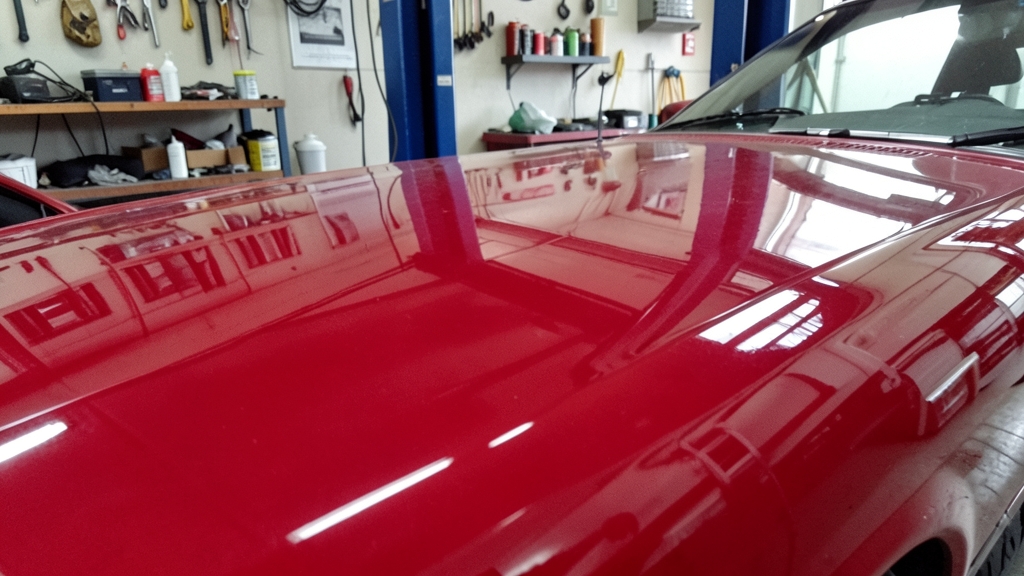
Long Island’s rainy seasons test even the best ceramic coatings. We’ve helped drivers from Stony Brook to Port Jefferson keep their coatings performing like new. Proper maintenance preserves that mirror-like finish and hydrophobic beading, no matter how hard the downpours hit.
Why Rainy Seasons Are Tough on Ceramic Coatings
Heavy rain doesn’t just wash away dirt—it carries abrasive contaminants like road grime, salt, and pollen that can dull your coating’s hydrophobic layer over time.
Setauket’s coastal humidity also accelerates water spot formation, especially if minerals in rainwater aren’t rinsed off quickly. Even a 9H-rated coating needs proactive care.
The Role of Hydrophobicity in Rain Protection
A fresh ceramic coating repels water so effectively that droplets bead and slide off, taking surface contaminants with them. This self-cleaning effect is your first line of defense.
As the coating ages, hydrophobicity weakens. Regular maintenance restores this property, ensuring rain rolls off instead of pooling and leaving etches or spots.
Test your coating’s hydrophobicity by spraying water on the hood. If beads flatten or spread, it’s time for a refresh.
Essential Maintenance Tools for Wet Weather
Invest in a pH-neutral car shampoo—harsh soaps strip the SiO2 layer. We recommend a two-bucket wash method to avoid swirl marks from grit.
Microfiber wash mitts and drying towels are non-negotiable. Synthetic fibers trap dirt, while natural sponges or chamois can scratch even a coated surface.
Rainy-Season Wash Kit
- pH-neutral ceramic-safe shampoo
- Grit guards for both wash buckets
- High-quality microfiber mitts and towels
- Iron remover spray for embedded contaminants
- Quick detailer spray for touch-ups
Step-by-Step Rainy-Season Wash Routine
Start with a thorough rinse to remove loose debris. Use the pressure nozzle to lift dirt without contact, especially on the lower panels where road spray collects.
Wash in sections, top to bottom. Let the shampoo dwell for a minute to break down grime before gently agitating with the mitt. Rinse immediately to prevent water spots.
Drying Techniques to Prevent Water Spots
Never let your vehicle air-dry. Hard water in Setauket’s supply leaves mineral deposits that etch into clear coat over time, even under a ceramic layer.
Use a clean microfiber towel and the blot-dry method: press the towel onto the surface instead of dragging it. For stubborn spots, a quick detailer spray adds lubrication and extra protection.
Skipping the drying step after rain? You’re inviting water spots. Even ‘harmless’ rainwater contains dissolved minerals that can etch.
When to Use a Ceramic Boost or Detail Spray
Between full washes, a ceramic boost spray rejuvenates hydrophobicity. Apply it after drying to restore beading and add a sacrificial layer of protection.
For vehicles in Old Field or Poquott near the water, we recommend a boost every 4-6 weeks during peak rainy seasons. It’s a 10-minute job that extends your coating’s life.
Ceramic Coating vs. Paint Protection Film: Rain Performance
Both protect against rain damage, but they work differently. Ceramic coatings excel at hydrophobic repellency and UV resistance, while PPF physically shields against chips and scratches.
In Setauket’s climate, many drivers layer both: PPF on high-impact areas (hood, bumper) and ceramic coating everywhere else for a glossy, low-maintenance finish.
| Feature | Ceramic Coating | Paint Protection Film (PPF) |
|---|---|---|
| Hydrophobicity | High (beading effect) | Moderate (depends on top coat) |
| Scratch Resistance | Limited (9H hardness) | Excellent (self-healing options) |
| Longevity | 2-5 years | 5-10 years |
| Maintenance | Regular washing + boosts | Washing + occasional PPF conditioner |
| Cost Factors | Vehicle size, layers, prep work | Material type, coverage area, installation complexity |
Don’t Forget the Wheels and Glass
Brake dust and road salt cling to wheels, accelerating corrosion. A dedicated wheel ceramic coating (like those we apply in Centereach) makes cleanup easier and prevents pitting.
Ceramic window tint or a hydrophobic glass coating improves visibility in downpours by causing rain to sheet off. It’s a game-changer for Setauket’s sudden summer storms.
How to Remove Water Spots from a Ceramic-Coated Car
Even with a coating, mineral deposits can form if water evaporates too slowly.
- 1Rinse Immediately
Use a hose or pressure washer to remove loose minerals before they bond to the surface.
- 2Wash with pH-Neutral Soap
Clean the area with a ceramic-safe shampoo to lift any remaining contaminants without damaging the coating.
- 3Apply a Water Spot Remover
Use a dedicated ceramic-safe spot remover or a 50/50 mix of white vinegar and distilled water for mild cases. Avoid abrasive compounds.
- 4Reapply a Ceramic Boost
After drying, spray a ceramic detailer or boost to restore hydrophobicity and fill any minor gaps in the coating.
- 5Prevent Future Spots
Park in a garage or under cover when possible, and always dry your vehicle thoroughly after rain or washes.
Frequently Asked Questions
How often should I wash my ceramic-coated car in Setauket’s rainy seasons?
We recommend washing every 1-2 weeks during heavy rain periods. Long Island’s coastal air carries more contaminants, so frequent, gentle washes prevent buildup. Always use a pH-neutral soap to preserve the coating’s integrity.
Can I use a pressure washer on a ceramic-coated car?
Yes, but keep the nozzle at least 12-18 inches away and use a wide spray pattern (25-40 degrees). High pressure can strip wax or sealants, but a properly cured ceramic coating can handle it—just avoid direct blasts at edges or seams.
Does ceramic coating prevent water spots entirely?
No coating is 100% water spot-proof. Ceramic coatings reduce the risk by repelling water, but dissolved minerals can still leave deposits if not rinsed off. Quick drying and regular boosts minimize this issue.
Is it worth getting a ceramic coating if I live near the water in Setauket?
Absolutely. Coastal areas like Port Jefferson and Old Field see higher salt exposure, which accelerates paint damage. A ceramic coating adds a sacrificial layer that resists corrosion and makes salt removal easier during washes.
What’s the difference between a ceramic boost and a full reapplication?
A boost is a maintenance spray that temporarily restores hydrophobicity and gloss, lasting 1-3 months. A full reapplication involves paint correction and a new base layer of ceramic coating, which lasts 2-5 years. Boosts are ideal for upkeep between professional services.
Can I apply a ceramic coating myself, or should I hire a pro in Ceramic Coating Setauket?
DIY kits exist, but professional application ensures proper paint correction, even coverage, and curing. Mistakes in prep or application can lead to peeling, streaking, or reduced durability. For Setauket drivers, we always recommend leaving it to experienced installers.