The Science Behind Nano-Ceramic Coatings and How They Bond to Your Car’s Clear Coat in Ceramic Coating Setauket, NY
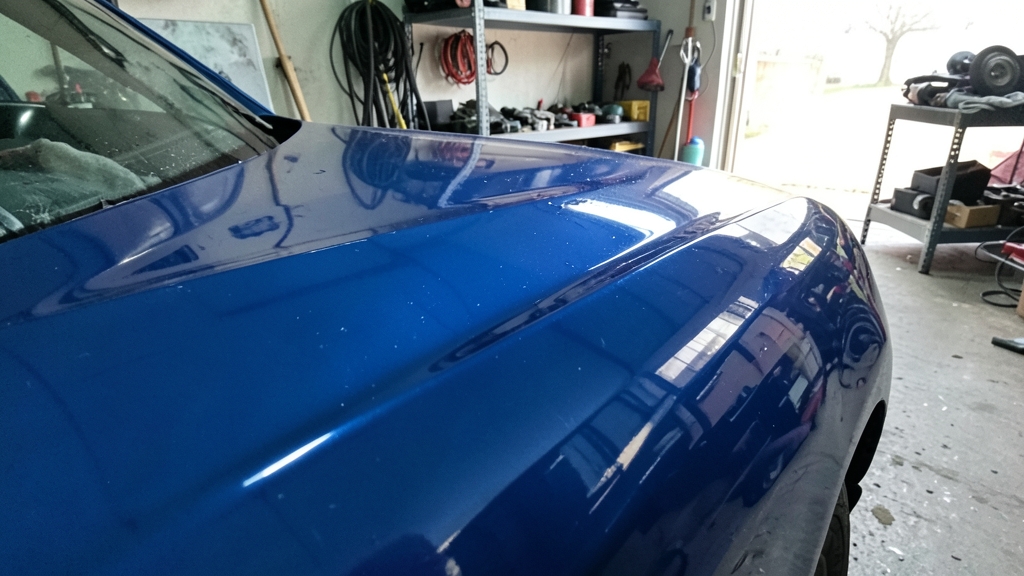
Nano-ceramic coatings don’t just sit on your car’s surface—they fuse with it at a molecular level. This chemical bond creates a semi-permanent shield that repels water, UV rays, and contaminants far better than traditional waxes or sealants. We break down the science behind this game-changing protection for drivers in Setauket and beyond.
What Are Nano-Ceramic Coatings Made Of?
At their core, nano-ceramic coatings are liquid polymers infused with silicon dioxide (SiO2) or titanium dioxide (TiO2) nanoparticles. These particles are so small—measured in nanometers—that they fill microscopic imperfections in your clear coat.
When applied, the liquid carrier (usually a solvent or water-based solution) evaporates, leaving behind a hard, glass-like layer. This layer is what delivers the 9H hardness rating and hydrophobic properties ceramic coatings are known for.
The Chemical Bonding Process Explained
The magic happens through cross-linking polymerization. Once applied, the coating’s nanoparticles react with oxygen and moisture in the air, as well as the functional groups in your clear coat (typically urethane or acrylic).
This reaction forms covalent bonds, essentially welding the coating to your paint. Unlike waxes that degrade in weeks, this bond lasts years—even in Setauket’s harsh winters and salty coastal air.
A pristine clear coat is critical for maximum adhesion. Even minor swirls or oxidation can prevent the coating from bonding uniformly. That’s why we always start with paint correction.
Hydrophobic vs. Hydrophilic: Why It Matters for Your Car
Hydrophobic surfaces repel water, causing it to bead and roll off. Nano-ceramic coatings achieve this by creating a surface with a contact angle greater than 90 degrees, so water can’t spread or penetrate.
In contrast, hydrophilic surfaces attract water. Traditional waxes may offer some beading, but they lack the durability and self-cleaning effect of a true nano-ceramic bond.
How Nano-Ceramic Coatings Compare to Traditional Protection
The differences between ceramic coatings, waxes, and sealants go beyond longevity. Ceramic coatings offer superior UV resistance, chemical resistance, and thermal stability—critical for vehicles exposed to Long Island’s sun and road salt.
| Feature | Nano-Ceramic Coating | Synthetic Sealant | Carnauba Wax |
|---|---|---|---|
| Durability | 2-5+ years | 4-6 months | 1-3 months |
| Hardness (Pencil Scale) | 9H | 2-4H | 1-2H |
| Hydrophobic Effect | Extreme (110°+ contact angle) | Moderate | Mild |
| UV Resistance | Excellent | Good | Poor |
| Chemical Resistance | High (pH 2-12) | Moderate | Low |
| Self-Cleaning Effect | Yes | No | No |
The Role of Paint Correction Before Coating
Even the best nano-ceramic coating won’t hide imperfections. Paint correction—using compounds and polishes—removes swirl marks, oxidation, and minor scratches to create a flawless surface for bonding.
In Setauket, where road debris and salt can quickly dull paint, this step ensures your coating adheres evenly and looks its best. Skipping it risks locking in defects under the protective layer.
Applying a ceramic coating over contaminated or damaged paint can lead to premature failure or an uneven finish. Always start with a thorough decontamination and correction.
Real-World Benefits for Setauket Drivers
Setauket’s climate—from icy winters to humid summers—puts unique demands on your vehicle. Nano-ceramic coatings resist salt corrosion, bird droppings, and tree sap, which are common in areas like Stony Brook and Port Jefferson.
The hydrophobic effect also means less water spotting, a major issue near the coast. And because the coating reduces surface friction, dirt and grime rinse off more easily during washes.
Beyond the Paint: Other Surfaces That Benefit
While most think of ceramic coatings for paint, they’re also highly effective on wheels, brake calipers, and glass. Wheel and caliper coatings resist brake dust and high temps, while ceramic window tint reduces heat and UV rays inside the cabin.
For commercial fleets in Centereach or Old Field, these coatings can drastically cut maintenance time and costs by keeping vehicles cleaner and more protected.
Surfaces Ideal for Ceramic Coating
- Exterior paint and clear coat
- Wheel faces and barrels
- Brake calipers
- Glass (windshield, windows)
- Plastic and trim (with proper prep)
- Interior leather and vinyl
Maintaining Your Coating for Maximum Longevity
Nano-ceramic coatings aren’t maintenance-free, but they’re low-maintenance. Regular washing with a pH-neutral shampoo prevents dirt buildup that can degrade the hydrophobic layer over time.
Avoid automatic car washes with harsh brushes, especially in areas like Poquott where road grime is heavy. Instead, opt for touchless washes or hand washing to preserve the coating’s integrity.
Reapply a ceramic spray sealant every 6-12 months to refresh the hydrophobic properties and extend the life of your base coating.
How to Check if Your Ceramic Coating Is Still Effective
A quick test can tell you if your coating is still performing at its best.
- 1Water Beading Test
Spray water onto a clean, dry panel. If the coating is intact, water should bead into tight, round droplets and roll off easily.
- 2Sheeting Test
Pour a small amount of water from a bottle. A healthy coating will cause the water to sheet off in a uniform layer rather than clinging or breaking into uneven beads.
- 3Dirt Repellency Check
After a drive, lightly dust the surface with a microfiber towel. If dirt wipes away effortlessly, your hydrophobic layer is still strong.
- 4Gloss Inspection
Inspect the paint in direct sunlight. A well-maintained ceramic coating enhances gloss and depth—if the shine looks dull, it may be time for maintenance.
- 5Contact Angle Observation
Use a contact angle pen (available at auto detail shops). A reading above 90 degrees confirms the coating’s hydrophobic properties are active.
Frequently Asked Questions
How long does a nano-ceramic coating last in Setauket’s climate?
With proper prep and maintenance, a professional-grade nano-ceramic coating can last 2 to 5+ years in Setauket. Harsh winters, road salt, and UV exposure may shorten this slightly, but regular care helps maximize longevity. Request a quote to discuss options tailored to your vehicle.
Can a ceramic coating be applied over existing paint protection film (PPF)?
Yes, but it requires careful prep. PPF must be thoroughly cleaned and decontaminated first. The ceramic coating will bond to the film’s top layer, adding hydrophobic properties and extra UV resistance. This combo is popular for high-end vehicles in Port Jefferson and Stony Brook.
Will a ceramic coating prevent all scratches and chips?
No coating is scratch-proof, but a 9H-rated nano-ceramic coating significantly improves resistance to minor swirls and light scratches. For heavier protection against rock chips, we recommend pairing it with paint protection film (PPF) on high-impact areas.
How do I know if my car’s clear coat is compatible with a ceramic coating?
Most modern automotive clear coats (urethane or acrylic-based) are compatible with nano-ceramic coatings. However, older single-stage paints or heavily oxidized surfaces may need special attention. Our team can assess your vehicle’s finish during a consultation.
Is ceramic coating worth it for daily drivers in Ceramic Coating Setauket?
Absolutely. Daily drivers in Setauket face constant exposure to salt, UV rays, and contaminants. A ceramic coating reduces washing time, protects resale value, and keeps your car looking newer longer—making it a smart investment for any vehicle.
Can ceramic coatings be removed if I change my mind?
Yes, but it’s a labor-intensive process. Ceramic coatings don’t peel like vinyl; they must be polished off. This is why we emphasize proper prep and product selection upfront. If you’re unsure, ask about our trial options or shorter-duration coatings.