How UV Resistance in Ceramic Coatings Protects Your Car in Setauket’s Sunshine in Ceramic Coating Setauket, NY
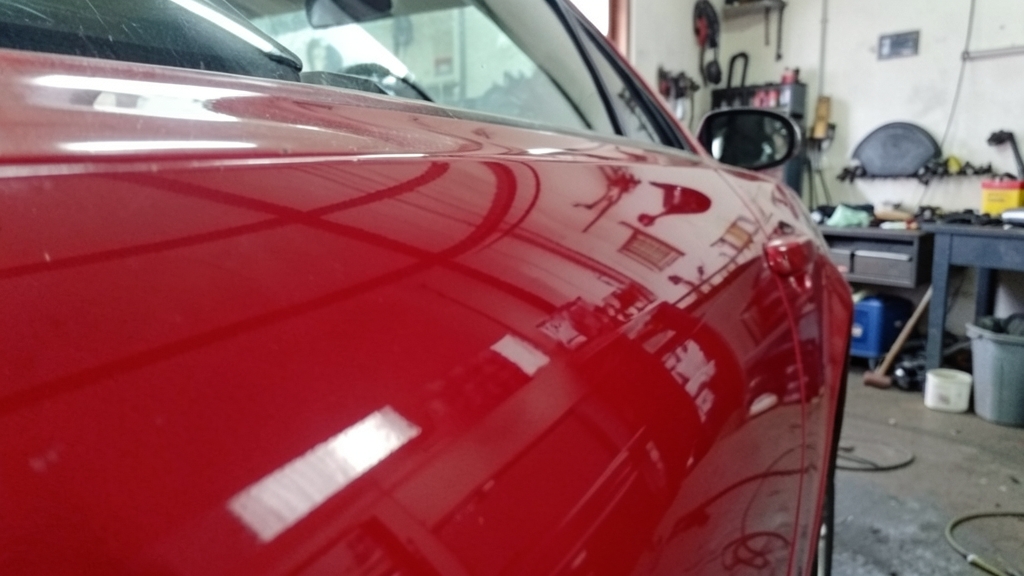
Setauket’s long, sunny summers and salty coastal air accelerate paint damage. UV-resistant ceramic coatings act as a permanent shield, blocking harmful rays and preserving your vehicle’s finish far longer than wax or sealants ever could.
Why UV Damage Hits Harder on Long Island
Long Island’s latitude and coastal reflection intensify UV exposure. Unprotected paint absorbs these rays, breaking down molecular bonds in the clear coat and leading to oxidation, fading, and a dull, chalky appearance.
Salt spray from the Sound and Atlantic compounds the problem, etching the surface and making it more susceptible to UV degradation. Even daily driving in Stony Brook or Port Jefferson exposes your car to these elements.
How Ceramic Coatings Block UV Rays
High-quality ceramic coatings contain nano-ceramic particles like SiO2 (silica) and TiO2 (titanium dioxide). These create a dense, glass-like layer that reflects and scatters UV radiation instead of absorbing it.
The coating’s 9H hardness and cross-linked polymer matrix prevent UV penetration to the paint beneath. This is why vehicles in Old Field or Poquott stay glossier, longer, even under relentless sun.
For maximum UV defense, pair a ceramic coating with Paint Protection Film (PPF) on high-impact areas. PPF absorbs physical damage, while the coating handles UV and chemical threats.
Ceramic Coatings vs. Traditional Protection: UV Resistance Compared
Wax and synthetic sealants offer minimal UV protection and degrade within weeks. Ceramic coatings, however, bond to the paint at a molecular level, providing years of defense against fading and oxidation.
Unlike temporary solutions, a professionally applied ceramic coating won’t wash off or break down under Setauket’s summer heat. It’s a one-time investment in long-term paint health.
| Protection Type | UV Resistance | Durability | Maintenance |
|---|---|---|---|
| Carnauba Wax | Low | 1-3 months | Frequent reapplication |
| Synthetic Sealant | Moderate | 4-6 months | Reapply twice yearly |
| Ceramic Coating | Very High | 2-5+ years | Annual inspection |
| Paint Protection Film (PPF) | High | 5-10 years | Self-healing, low maintenance |
The Hidden Costs of UV Damage in Setauket
Fading and oxidation aren’t just cosmetic. They reduce resale value and can lead to costly repaints. A vehicle in Centereach or Setauket left unprotected may require paint correction or even a full respray years sooner than a coated one.
UV damage also weakens the clear coat, making it more prone to etching from bird droppings, tree sap, and road salt—common issues in our climate. Ceramic coatings add a hydrophobic layer that repels these contaminants.
By the time you see fading or oxidation, the damage is already deep. Ceramic coatings prevent this at the source, but they can’t reverse existing harm—paint correction may be needed first.
Beyond UV: Additional Benefits of Ceramic Coatings
While UV resistance is a standout feature, ceramic coatings also provide hydrophobic and oleophobic properties. Water beads off instantly, carrying dirt and grime with it, which means less frequent washes and easier maintenance.
They resist chemical stains from bird droppings, bug splatter, and road tar—critical for cars parked near Setauket’s marinas or farm stands. The gloss enhancement is an immediate, head-turning bonus.
Which Vehicles Need UV Protection Most in Setauket?
Daily drivers, luxury cars, and classic vehicles benefit most from ceramic coatings. Dark-colored cars (black, deep blue, red) show UV damage faster, but light colors aren’t immune—oxidation still occurs.
Fleet and commercial vehicles in Centereach or Port Jefferson face constant exposure. Ceramic coatings reduce downtime for detailing and protect company image with a consistently sharp appearance.
Vehicles That Need Ceramic Coatings ASAP
- Daily commuters parked outdoors in Setauket or Stony Brook
- Luxury or exotic cars with high-value paint
- Classic or collector vehicles stored long-term
- Fleet vehicles exposed to sun and salt air
- Dark-colored cars prone to visible fading
How Long Does UV Protection Last?
Professional-grade ceramic coatings typically last 2 to 5 years, depending on the product, application quality, and maintenance. Harsh winters and salty air in Setauket can slightly reduce longevity, but the UV resistance remains strong throughout.
Reapplying a ceramic top-up spray every 6-12 months can extend the coating’s life and refresh its hydrophobic properties. Avoid automatic car washes with harsh brushes, as they can prematurely wear down the coating.
Pairing Ceramic Coatings with Other Protective Services
For comprehensive defense, combine ceramic coatings with Paint Protection Film (PPF) on high-impact areas like the hood, bumper, and fenders. PPF handles rock chips and scratches, while the coating protects the rest of the vehicle from UV and contaminants.
Ceramic window tinting blocks UV rays inside the cabin, reducing heat and preventing dashboard cracking. Wheel and brake caliper ceramic coatings add durability and ease of cleaning, especially for performance cars in Old Field or Poquott.
How to Maintain Your Ceramic Coating’s UV Protection
Proper care extends the life of your coating and keeps UV resistance at peak performance.
- 1Wash Regularly with pH-Neutral Soap
Use a high-quality, pH-balanced car shampoo to avoid stripping the coating. Avoid dish soap or degreasers, which can degrade the ceramic layer over time.
- 2Use the Two-Bucket Method
Separate buckets for soap and rinse water prevent swirl marks and contamination. Grit guards in each bucket help trap dirt, protecting the coating’s surface.
- 3Dry with a Microfiber Towel
Pat the surface dry with a clean, plush microfiber towel to prevent water spots. Never air-dry, as mineral deposits can etch the coating.
- 4Apply a Ceramic Boost Spray
Every 6-12 months, use a SiO2-based spray to refresh the hydrophobic properties and enhance UV resistance. This is especially important after harsh winters.
- 5Avoid Automatic Car Washes
Brushes and harsh chemicals in automatic washes can wear down the coating prematurely. Stick to hand washes or touchless systems.
- 6Inspect Annually
Have a professional detailer inspect the coating’s condition. They can identify thin spots or areas needing reapplication before UV damage occurs.
Frequently Asked Questions
Does a ceramic coating completely stop paint fading in Setauket’s sun?
While ceramic coatings drastically reduce UV damage, no product can block 100% of rays. However, they slow fading so significantly that most vehicles retain their original gloss for years longer than unprotected paint.
Can I apply a ceramic coating myself for UV protection?
DIY ceramic coatings exist, but professional application ensures proper surface prep (paint correction) and even coverage. Mistakes can lead to streaks, uneven protection, or premature failure—especially in Setauket’s demanding climate.
How does ceramic coating compare to PPF for UV resistance?
PPF offers excellent UV protection but is primarily designed for physical damage resistance. Ceramic coatings provide broader UV defense across the entire vehicle and enhance gloss. Many owners use both for maximum protection.
Will a ceramic coating make my car maintenance-free in Setauket?
Ceramic coatings reduce maintenance but don’t eliminate it. You’ll still need to wash your car regularly to remove contaminants like salt, bird droppings, and pollen, which can degrade the coating over time if left unchecked.
Is ceramic coating worth it for older cars in Ceramic Coating Setauket?
Absolutely. Older cars often have more vulnerable paint due to years of UV exposure. A ceramic coating can halt further damage and restore gloss, but paint correction may be needed first to address existing imperfections.
Do ceramic coatings work on matte or satin paint finishes?
Yes, but they require specialized matte-specific ceramic coatings. These products preserve the non-glossy finish while still providing UV resistance and protection. Always confirm with your detailer that they use the correct product for matte paints.