Why Your Ceramic Coating Peels and How to Avoid It in Ceramic Coating Setauket, NY
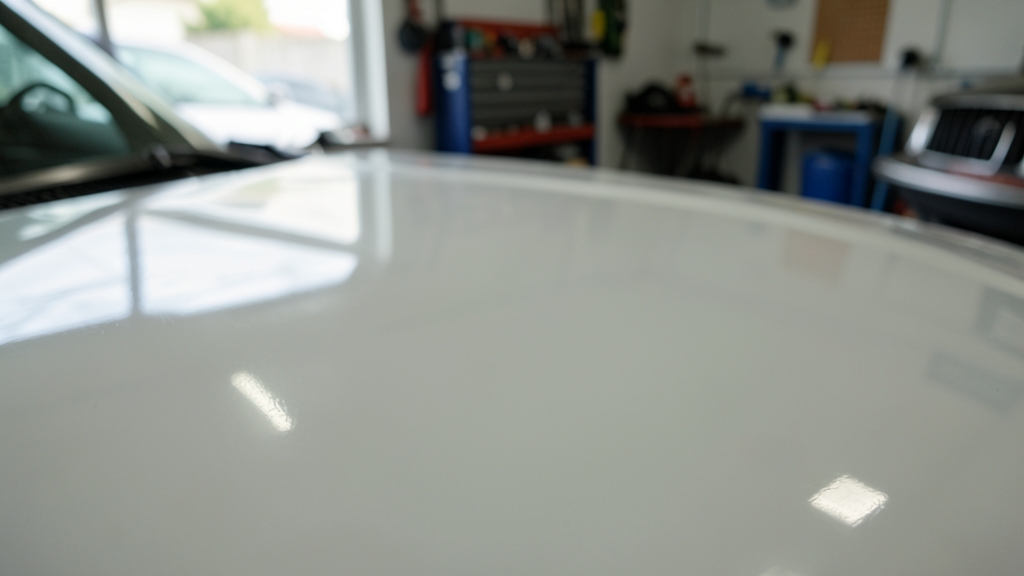
Ceramic coatings are built to last, but peeling often traces back to rushed prep or ignoring Setauket’s salty air and seasonal swings. Our team sees it firsthand: even premium nano-ceramic layers fail when the foundation isn’t perfect. Here’s what causes it—and how we stop it before it starts.
What Peeling Really Looks Like on a Ceramic-Coated Car
Peeling rarely means the entire coating lifts like a decal. Instead, you’ll spot flakes at edges, around emblems, or along panel seams—especially after pressure washes or winter road salt in Stony Brook or Port Jefferson.
Early signs include hazing, reduced hydrophobicity, or tiny chips where water pools. These are red flags that adhesion failed beneath the surface, not just wear on top.
Mineral deposits from hard water can etch the coating’s top layer, mimicking failure. True peeling exposes raw paint or primer beneath.
The 3 Most Common Causes of Ceramic Coating Peeling
Poor surface prep is the top culprit. Oils, wax residues, or old clear coat oxidation prevent the SiO2 polymers from bonding to the paint at a molecular level.
Incorrect curing conditions come next. High humidity or sudden temperature drops—common in Old Field’s coastal climate—can disrupt cross-linking, leaving weak spots that lift under stress.
Low-quality or mismatched products rank third. Not all 9H-rated coatings adhere equally to every paint system, and some budget formulas lack the flexibility to handle thermal expansion.
How Setauket’s Climate Accelerates Adhesion Failure
Long Island’s salt spray, especially near Poquott and Port Jefferson, attacks the coating’s edge seams first. Without a sealed barrier, chloride ions work under the layer, breaking the bond.
Winter’s freeze-thaw cycles stress the coating’s elasticity. If the product wasn’t engineered for these swings, micro-cracks form and propagate into peels by spring.
Summer UV intensity here is brutal. Without proper thickness and UV absorbers, the top layer degrades faster, exposing weaker underlayers to moisture and contaminants.
Prep Work That Prevents Peeling Before the First Drop
We start with a full decontamination: iron remover, clay bar, and pH-balanced wash to strip embedded grime. This isn’t just cleaning—it’s removing invisible barriers to adhesion.
Paint correction is non-negotiable. Even minor swirls or oxidation create uneven surfaces where coating thickness varies, leading to weak points. Our team uses dual-action polishers for a mirror finish.
A final IPA wipe-down removes the last traces of oils and silicones. Skipping this step is like gluing a tile to a dusty floor—it will pop off under pressure.
Pre-Coating Surface Prep Checklist
- Full vehicle wash with pH-neutral soap
- Iron contaminant removal spray
- Clay bar treatment on all painted surfaces
- Paint thickness measurement to avoid over-polishing
- Final IPA (isopropyl alcohol) wipe at 50%+ concentration
Ceramic Coating vs. Paint Protection Film: Which Handles Peeling Better?
Ceramic coatings bond to paint and rely on chemical adhesion. PPF, or clear bra, is a physical barrier with its own adhesive layer. In Setauket’s conditions, PPF resists peeling better on high-impact areas like hoods and bumpers.
However, PPF can yellow over time and doesn’t offer the same hydrophobic or self-cleaning properties as a quality ceramic coating. Many of our clients in Centereach opt for both: PPF on front-end panels and ceramic coating everywhere else.
| Factor | Ceramic Coating | Paint Protection Film (PPF) |
|---|---|---|
| Adhesion Type | Chemical (SiO2 bond) | Physical (pressure-sensitive adhesive) |
| Peeling Risk in Salt Air | Moderate (edge failure) | Low (sealed edges) |
| Self-Healing | No (unless hybrid) | Yes (with heat) |
| UV Resistance | High (99%+ block) | High (with UV inhibitors) |
| Maintenance | Reapply every 3-5 years | Replace every 5-7 years |
Application Mistakes That Cause Peeling in Setauket
Applying in direct sunlight or high humidity causes uneven curing. The coating may look fine at first, but weak spots develop within weeks. We always work in climate-controlled bays.
Using too much product per panel leads to thick, uneven layers that never fully cross-link. Thin, even coats cure stronger and last longer.
Skipping the flash time between layers traps solvents, creating bubbles that eventually burst and peel. Patience here is critical, especially in humid Long Island summers.
If you must apply outdoors, aim for early morning or late afternoon with temps between 60-75°F and humidity below 60%. Even then, results won’t match professional conditions.
Maintenance Habits That Extend Your Coating’s Life
Wash with a pH-neutral shampoo and microfiber mitts weekly. Harsh detergents or automatic car washes strip the hydrophobic layer, accelerating wear.
Use a ceramic-specific quick detailer every 1-2 months to refresh the water-beading properties. This isn’t just for looks—it replenishes the sacrificial top layer.
Avoid parking under trees or near sprinklers. Sap and mineral deposits etch the surface, creating entry points for moisture. In Poquott’s wooded areas, this is a common oversight.
When Peeling Happens: Can It Be Fixed?
If peeling is caught early and limited to small areas, we can often spot-correct and reapply without a full strip. This requires careful sanding to feather the edges and re-prepping the affected panel.
Widespread peeling means a full removal and reapplication. Attempting to coat over failing layers only traps contaminants and risks another failure. Our team uses specialized ceramic removers—not harsh compounds—to avoid damaging the paint beneath.
For severe cases, especially on older vehicles, we may recommend paint correction or even a fresh clear coat before reapplying the ceramic layer. This ensures a clean, stable base.
How to Inspect Your Ceramic Coating for Early Signs of Peeling
Catching peeling early saves time and cost—here’s how to check your coating like a pro.
- 1Wash and dry the vehicle thoroughly
Use a pH-neutral shampoo and microfiber towels to remove all surface contaminants. Water spots or streaks can mask peeling edges.
- 2Examine edges and seams under bright light
Run your fingers lightly along panel edges, emblems, and seams. Peeling often starts here as a rough or lifted edge.
- 3Test hydrophobicity with a water spray
Mist water across the hood or roof. If water doesn’t bead uniformly or sheets off slowly, the coating’s top layer may be degrading.
- 4Check for hazing or discoloration
Look for dull or cloudy patches, especially on horizontal surfaces. This can indicate UV damage or contamination beneath the coating.
- 5Use a flashlight at an angle
Shine a light across the paint at a 45-degree angle. Peeling or delamination will cast shadows, revealing uneven surfaces.
Frequently Asked Questions
Can a ceramic coating peel off in one large sheet?
No—quality ceramic coatings are chemically bonded and won’t peel like a vinyl wrap. If you see large sheets lifting, it’s likely a low-grade product or improper application. True ceramic coatings flake in small chips or along edges first.
Does Ceramic Coating Setauket’s salty air really cause peeling faster?
Yes. Salt accelerates corrosion beneath the coating if adhesion wasn’t perfect. That’s why we emphasize sealed edges and full decontamination before application, especially for clients in Port Jefferson or Stony Brook near the water.
How often should I reapply ceramic coating to prevent peeling in Setauket?
With proper prep and maintenance, a professional-grade coating lasts 3-5 years here. Reapplication timing depends on exposure: vehicles parked outside year-round or driven daily in harsh conditions may need a refresh at the 3-year mark.
Is paint correction necessary before ceramic coating, or is a wash enough?
A wash is never enough. Paint correction removes swirls, oxidation, and microscopic imperfections that prevent the coating from adhering evenly. Skipping this step is the fastest way to ensure peeling down the line.
Can I apply a new ceramic coating over a peeling one?
No. Any new coating applied over a failing layer will peel with it. The old coating must be fully removed, the surface prepped, and the paint corrected if needed. This is a job for professionals with the right tools and products.
What’s the best ceramic coating for Setauket’s climate?
Look for a high-Sio2 content (80%+), strong UV inhibitors, and a flexible formula rated for thermal expansion. We use products engineered for coastal environments, with added hydrophobic and anti-corrosion properties. Request a quote to discuss options tailored to your vehicle.